While almost 30 million people in the United States need hearing aids, they’re a rather misunderstood piece of technology. Myths and misconceptions abound when it comes to hearing aids, and we’re here to set the record straight.
Untrue myths like these can discourage people who need help with their hearing from seeking treatment, which is what we’re trying to undo with this post. Read on and reflect on which of these myths you’ve heard or even believed.
“Hearing Aids Just Make Everything Louder”
This myth is incredibly common, but that could be because it used to be true. Analog hearing aids of the past were mini-speakers in your ear that amplified all sounds indiscriminately. Modern hearing aids, however, are almost all digital. They use sophisticated digital processors to filter sounds, and from there they amplify only the pitches you need help with and even suppress—not amplify—distracting background noise.
“Only People with Severe Hearing Loss Need Hearing Aids”
Hearing aids aren’t just for people with severe hearing loss. Mild and moderate hearing loss also has significant impacts on your daily life, relationships, personal safety and multiple other factors and would benefit from wearing hearing aids.
“Only Old People Need Hearing Aids”
While it’s true that presbycusis (age-related hearing loss) is the most common type of hearing loss, hearing loss can still happen to anyone at any age for a variety of reasons. In fact, more than half the people with hearing loss are under the age of 65. Some common reasons include loud noise exposure (especially in our modern world with prevalent headphone use), damage to the eardrum from chronic ear infections, head injury and genetic factors.
“Hearing Aids Are Large and Uncomfortable”
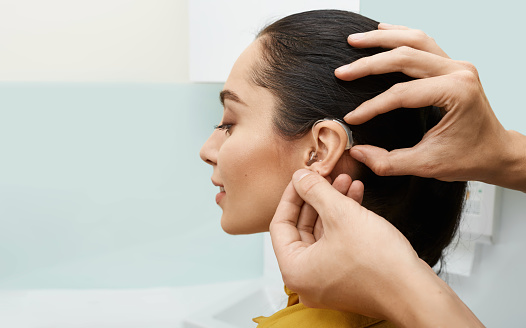
Actually, quite the opposite! Modern hearing aids come in a variety of shapes and styles to ensure you get a device that fits your ear and your lifestyle like a glove. Smaller hearing aids are discreet, almost invisible, and even the “bulkier” models are still smaller than the hearing aids of old, and hide neatly behind the ear.
“Over-the-Counter Hearing Aids Are Just as Good as Prescription Hearing Aids”
Over-the-counter (OTC) hearing aids can help some people, but truthfully, they’re not the same, and in many cases, they are not as good as prescription devices. OTCs provide basic amplification, but they don’t address your individual hearing needs, nor are they fitted precisely to your ear. Prescription devices are going to be more powerful and more customizable to your hearing loss needs.
If you’ve delayed getting necessary hearing loss treatment because you believed an untrue myth about hearing aids, we want to set the record straight and get you the help you need. Leaving hearing loss, even mild hearing loss, untreated can have wide-ranging ripple effects on your quality of life. Get started with your hearing aid journey today and call Decibel Hearing Services to schedule a consultation.